The global demand for cleaner and more sustainable fuel alternatives has never been higher. Among the rising stars in this space, quality coconut briquettes stand out as a reliable, eco-friendly solution for both everyday consumers and large-scale industrial users. Understanding what makes these briquettes truly premium can help buyers and business owners make smarter decisions.
What Are Coconut Briquettes?
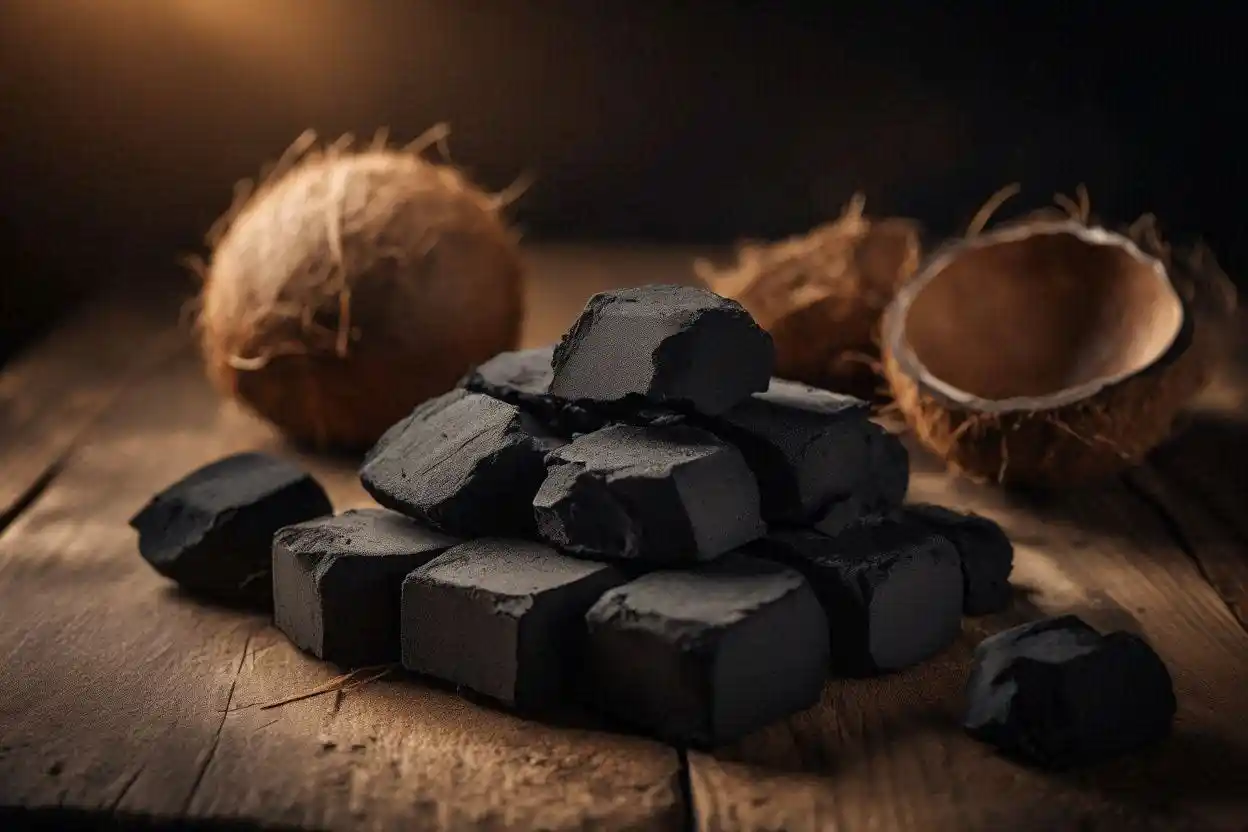
Coconut briquettes are solid fuel products made from coconut shell charcoal. Manufacturers first carbonize the shells at high temperatures, then compress them into uniform shapes without using harmful additives. Quality coconut briquettes specifically refer to products that meet strict performance standards, including low ash content, high calorific value, and controlled moisture levels.
A premium-grade briquette typically contains less than 3% ash, delivers a calorific value above 7,000 kcal/kg, and maintains moisture content below 8%. These benchmarks are what separate top-tier products from the average options flooding the market.
Why Choose Coconut Briquettes Over Other Fuels?
More buyers are switching to coconut briquettes because of a compelling set of advantages that other fuels simply cannot match. Here are the key benefits worth noting:
- Eco-friendly production — Producers craft briquettes from coconut shell waste, reducing agricultural by-product disposal issues.
- Minimal smoke output — High-quality briquettes burn cleanly, producing very little smoke during use.
- Long-lasting, stable heat — Coconut briquettes maintain consistent temperature far longer than traditional wood charcoal.
- No harmful chemicals — The natural production process ensures safety across various cooking and heating applications.
Furthermore, their higher density means users need fewer briquettes per session, making them more cost-effective over time.
Key Markets and Applications
Quality coconut briquettes serve a remarkably wide range of industries. One of the fastest-growing segments is the hookah and shisha market. Enthusiasts and professional lounges worldwide demand a fuel source that burns clean without altering flavor profiles. This is precisely why premium shisha charcoal made from coconut shells has become the gold standard among hookah users and café operators globally.
Beyond shisha, businesses and households also rely on coconut briquettes for:
- Restaurant-grade barbecue and grilling operations
- Large-scale food processing and industrial heating
- Export markets across Europe, the Middle East, and North America
Export opportunities remain strong, as developed markets continue to prioritize sustainable, chemical-free fuel sources with consistent performance.
How to Identify High-Quality Briquettes
Not every product on the market lives up to its quality claims. Therefore, buyers need to evaluate several key factors before making a purchase.
First, always request laboratory test results. Reliable suppliers provide documented data on calorific value, ash content, and moisture levels. Second, inspect the physical form — premium briquettes are uniformly shaped, dense, and do not crumble under light pressure. Third, consider the raw material source. Mature coconut shells produce significantly better carbon than younger ones, resulting in superior burn performance.
For business owners looking to explore the coconut briquette industry alongside other agro-export opportunities, wisatabisnis.com offers insightful articles that serve as a valuable reference for business development.
Conclusion
Quality coconut briquettes represent far more than a passing trend in the alternative fuel industry. They offer a powerful combination of environmental responsibility, exceptional burning performance, and real commercial potential. By understanding quality standards, recognizing the product’s wide-ranging applications, and knowing how to evaluate suppliers, both consumers and business owners can make well-informed decisions. Countries with abundant coconut resources, such as Indonesia and the Philippines, hold a remarkable competitive advantage in this growing global market. Capitalizing on that advantage requires a genuine commitment to quality, transparent supply chains, and a clear understanding of what international buyers expect.
