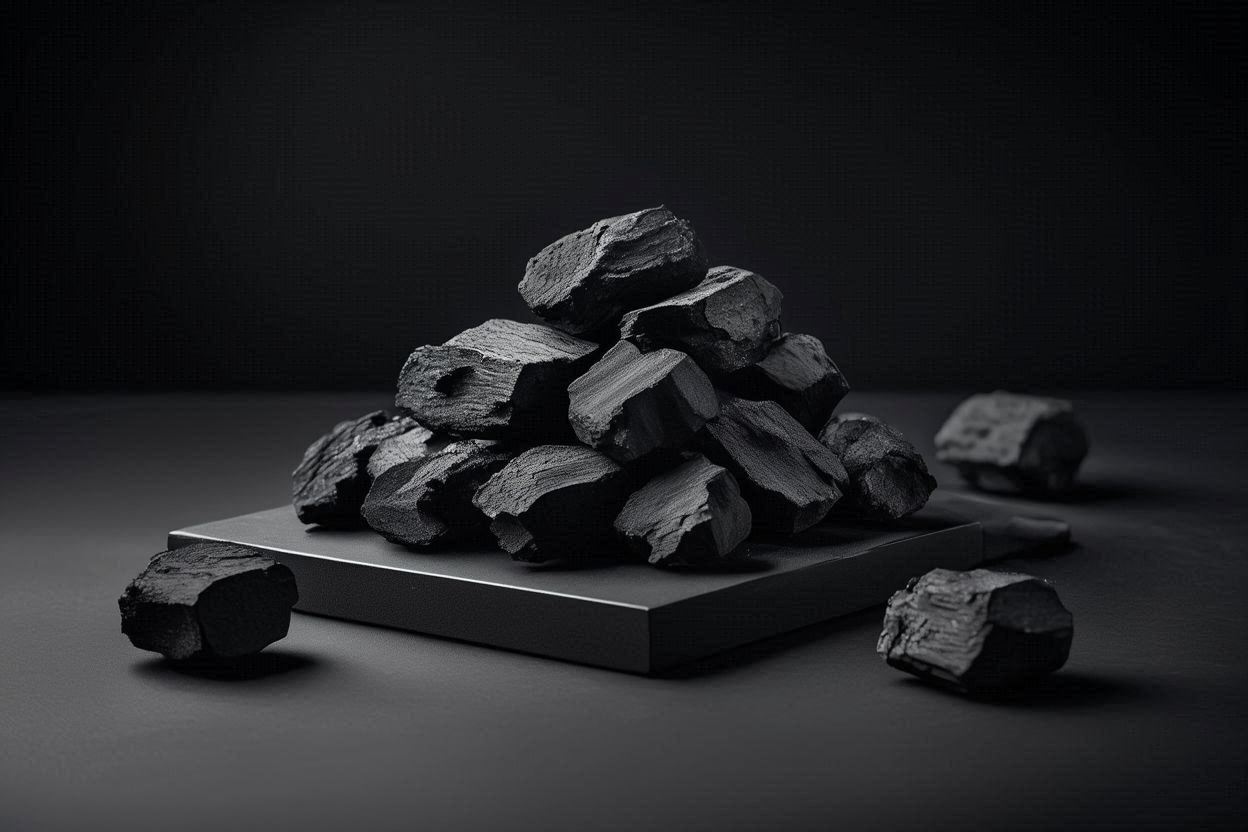
Eco friendly coconut shell charcoal has become an important solution for users seeking sustainable energy materials with reliable performance. As environmental awareness continues to rise, many industries and households actively choose coconut shell based charcoal to reduce environmental impact while maintaining efficiency.
Rather than relying on hardwood sources, producers convert discarded coconut shells into dense carbon material. This approach supports waste reduction, limits deforestation, and promotes responsible resource utilization across the charcoal supply chain.
As global markets increasingly prioritize sustainability, charcoal derived from coconut shells offers a balance between performance, availability, and environmental responsibility.
Sustainable Characteristics of Coconut Shell Based Charcoal
Charcoal derived from coconut shells features a compact structure and stable carbon composition. Therefore, it delivers consistent heat output and controlled combustion in various applications.
Low moisture and ash levels contribute to cleaner burning behavior. As a result, users experience less residue accumulation and improved air quality during use.
Its strong physical structure also reduces breakage during handling and transportation, helping minimize material waste and maintain product integrity.
Because of these characteristics, coconut shell based charcoal performs reliably in both small scale and large scale applications.
Environmentally Responsible Production Methods
Manufacturers begin the process by sourcing coconut shells from agricultural activities and food processing industries. These shells are cleaned and dried to achieve optimal moisture balance before carbonization.
During carbonization, producers apply controlled heat with limited oxygen exposure. This process removes volatile compounds while increasing fixed carbon content.
As a result, the final product delivers stable combustion with reduced smoke emissions.
Many facilities apply standardized techniques associated with Coconut shell charcoal processing to maintain consistent quality while supporting environmentally responsible manufacturing practices.
Applications Supporting Green Lifestyles
Coconut shell based charcoal supports a wide range of sustainable uses. Households commonly rely on it for cooking and grilling because it produces steady heat with minimal smoke and odor.
In outdoor settings, this charcoal provides long lasting combustion that supports efficient fuel usage.
Industrial users apply this material as fuel, filtration media, and as a raw material for activated carbon production. Its renewable origin aligns well with sustainability focused operations and environmental compliance requirements.
Environmental Benefits of Coconut Shell Charcoal
One major advantage of coconut shell based charcoal lies in its environmental contribution. By utilizing agricultural byproducts, producers help reduce landfill waste and improve overall resource efficiency.
Coconut trees regenerate naturally without requiring replanting after harvesting. Therefore, this charcoal reduces dependence on forest based raw materials.
Consequently, coconut shell charcoal supports long term ecological balance while meeting modern energy demands.
As sustainability standards continue to evolve, buyers increasingly favor charcoal products that align with environmental goals and responsible sourcing practices.
Quality Control and Performance Stability
Reliable performance depends on strict quality control at every production stage. Producers test moisture content, ash percentage, fixed carbon value, and calorific output.
These evaluations ensure stable results across household, commercial, and industrial applications.
Routine inspections and standardized grading systems also help maintain consistent product quality across production batches.
Storage Efficiency and Handling Advantages
Coconut shell based charcoal stores well in dry and ventilated conditions. Proper packaging protects the material from moisture absorption and contamination.
Its durability reduces product loss during transportation and handling.
As a result, users experience dependable performance from storage through final use.
Conclusion
Eco friendly coconut shell charcoal delivers clean combustion, responsible sourcing, and reliable performance for modern energy needs. Through controlled production, sustainable raw materials, and strict quality assurance, this material supports both environmental responsibility and operational efficiency.
To explore environmentally responsible charcoal products and supply solutions, visit the official homepage of Indo Briquettes Charcoal.
