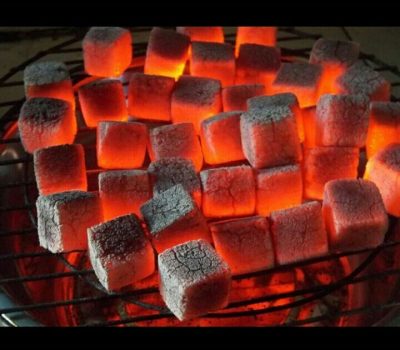
In the culinary world, the quality of ingredients is paramount, and this extends to the fuel used for grilling. Eco-friendly coconut charcoal has emerged as a popular choice among chefs and restaurant owners looking to enhance their grilling experience while also prioritizing sustainability. This article explores the benefits, production process, and practical applications of coconut charcoal in the restaurant industry, making it clear why this eco-friendly option deserves a place on your grill.
What Is Coconut Charcoal?
Coconut charcoal is made from the shells and husks of coconuts, which are often considered waste products of the coconut industry. The charcoal is produced by carbonizing these materials in a controlled environment, resulting in a high-quality fuel source that burns cleanly and efficiently. Unlike traditional charcoal, which may be derived from hardwood or other non-renewable sources, coconut charcoal offers an eco-friendly alternative that supports sustainability.
Benefits of Coconut Charcoal for Grilling
- Sustainability: Coconut charcoal is a renewable resource. Using coconut shells, a byproduct of the coconut industry, reduces waste and promotes a circular economy. By choosing coconut charcoal, restaurants contribute to sustainability while minimizing their environmental impact.
- Clean Burning: One of the most significant advantages of coconut charcoal is its clean burning properties. It produces minimal ash and smoke compared to conventional charcoal, which translates to less mess for kitchen staff and a more pleasant dining environment for guests.
- High Heat Output: Coconut charcoal generates intense heat, making it ideal for grilling. It can reach high temperatures quickly, allowing chefs to sear meats and vegetables effectively while retaining their moisture and flavor.
- Flavor Enhancement: The unique composition of coconut charcoal can subtly enhance the flavors of grilled foods. Unlike traditional charcoal, which can impart unwanted flavors, coconut charcoal allows the natural flavors of ingredients to shine through, making it a favorite among chefs.
- Longer Burn Time: High-quality coconut charcoal has an impressive burn time. This characteristic is especially beneficial for restaurants, as it reduces the frequency of charcoal replacements during service, allowing for more efficient kitchen operations.
- Healthier Option: Coconut charcoal is free from harmful additives and chemicals often found in traditional charcoal. This aspect appeals to health-conscious consumers and aligns with the growing trend of using organic and natural products in food preparation.
The Production Process of Coconut Charcoal
The process of creating eco-friendly coconut charcoal involves several key steps:
- Collection: The first step is the collection of coconut shells and husks, which are usually considered waste. This sustainable practice makes use of materials that would otherwise go to waste.
- Carbonization: The collected coconut shells are subjected to a carbonization process. This involves heating them in an oxygen-restricted environment, converting the organic material into charcoal while preserving its structural integrity.
- Crushing and Sizing: Once carbonized, the charcoal is crushed and sieved to achieve a consistent size. This step is crucial for ensuring even burning and optimal performance on the grill.
- Quality Control: Before packaging, the charcoal undergoes quality checks to ensure it meets industry standards. This ensures that restaurants receive a product that performs consistently well.
Practical Applications in Restaurants
Coconut charcoal is versatile and can be used in various grilling applications within the restaurant setting:
- Barbecue Grilling: Ideal for grilling meats, fish, and vegetables, coconut charcoal provides the high heat necessary for achieving perfect sear marks and a smoky flavor without overpowering the natural taste of the ingredients.
- Tandoor Ovens: Many restaurants utilize tandoor ovens for cooking. Coconut charcoal is an excellent choice for these ovens, providing sustained heat and minimizing ash production.
- Charcoal Grills: For traditional charcoal grilling, coconut charcoal can be used effectively in both indoor and outdoor grills. Its clean-burning properties make it suitable for open kitchens where air quality is a consideration.
- Catering and Events: For outdoor catering events, coconut charcoal is an excellent choice due to its portability and long burn time. Chefs can grill a variety of dishes without the constant need to replace charcoal.
Conclusion
Eco-friendly coconut charcoal for restaurant grilling, as restaurants increasingly seek sustainable solutions that enhance their culinary offerings, eco-friendly coconut charcoal stands out as a superior choice for grilling. With its clean burning properties, high heat output, and flavor-enhancing capabilities, coconut charcoal not only supports chefs in delivering exceptional dishes but also aligns with the growing consumer demand for environmentally responsible practices. By incorporating coconut charcoal into your grilling methods, you can elevate your restaurant’s menu while contributing to a more sustainable future. Embrace this eco-friendly option and witness the difference it can make in your kitchen and for your patrons.
