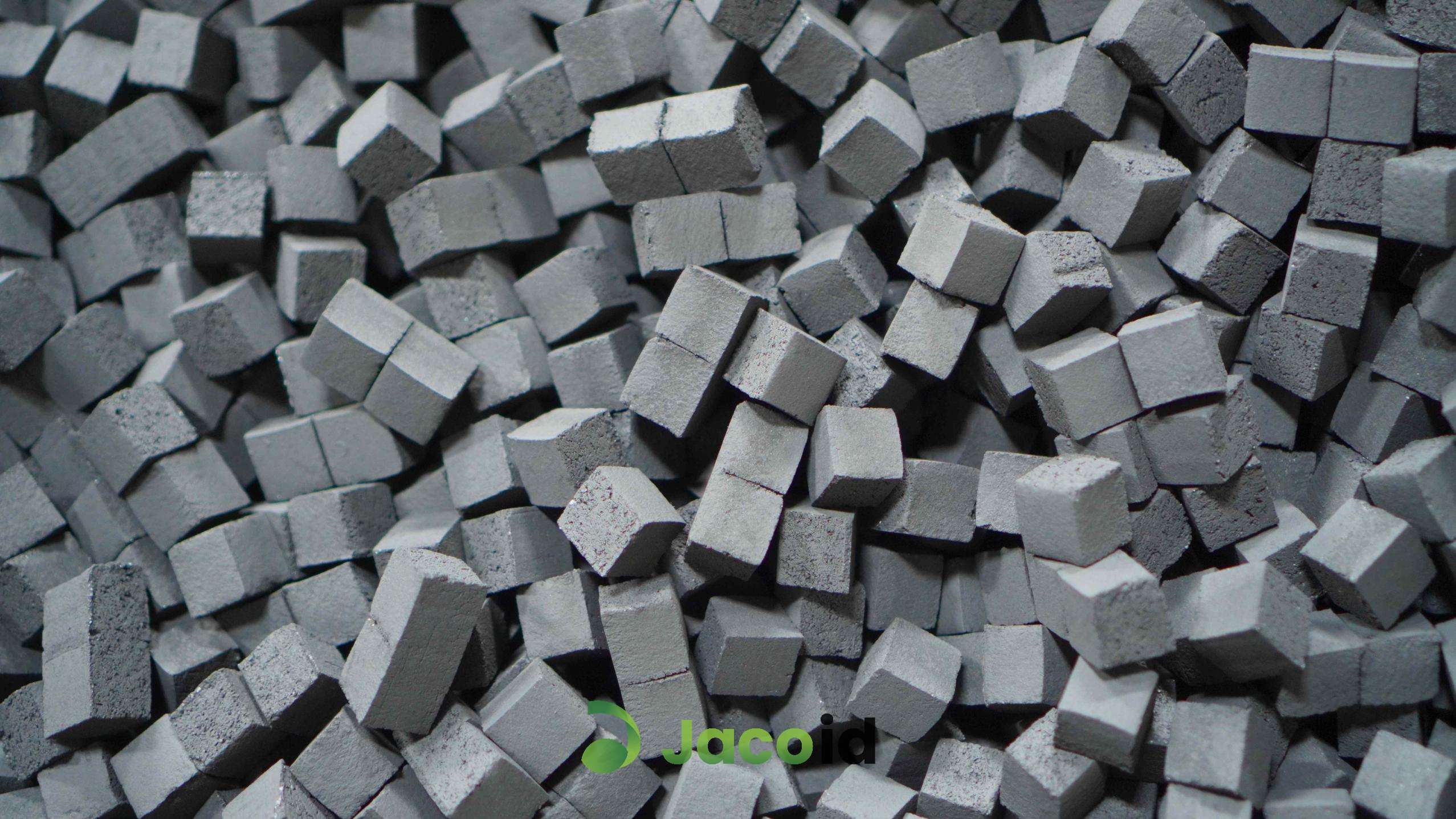
Exporters of hardwood charcoal are crucial players in the global market for sustainable energy solutions. Known for their high-quality products and commitment to environmental responsibility, these exporters are setting new standards in the industry. This blog explores the significance of hardwood charcoal, the processes involved in its production, the role of exporters, and the market dynamics that drive this sector.
The Importance of Hardwood Charcoal
Hardwood charcoal is preferred over other types of charcoal due to its superior qualities:
- High Energy Content: Hardwood charcoal burns hotter and longer, making it ideal for both industrial and domestic uses.
- Low Smoke Emission: It produces less smoke compared to softwood charcoal, contributing to a cleaner environment.
- Sustainability: When sourced responsibly, hardwood charcoal is a renewable energy source that can help reduce the reliance on fossil fuels.
Production Process
The production of hardwood charcoal involves several steps:
- Sourcing the Wood: Responsible sourcing is crucial. Sustainable forestry practices ensure that the wood used comes from renewable sources.
- Carbonization: The wood is subjected to high temperatures in a low-oxygen environment. This process, called pyrolysis, transforms the wood into charcoal while preserving its energy content.
- Quality Control: Post-production, the charcoal undergoes rigorous quality checks to ensure it meets international standards for purity and energy content.
Role of Exporters
Hardwood charcoal exporters are essential in bringing this product to the global market. Their roles include:
- Quality Assurance: Exporters ensure that the charcoal they supply meets the highest quality standards. This includes conducting various tests and adhering to international certifications.
- Sustainability Practices: Leading exporters prioritize sustainability, ensuring that their sourcing and production methods are environmentally friendly.
- Market Distribution: Exporters handle the logistics of transporting hardwood charcoal to different parts of the world, making it accessible to a wide range of consumers.
Market Dynamics
The market for hardwood charcoal is influenced by several factors:
- Demand for Clean Energy: As countries strive to reduce their carbon footprints, the demand for renewable energy sources like hardwood charcoal is increasing.
- Regulatory Environment: Exporters must navigate complex regulations that govern the production and sale of charcoal. Adhering to these regulations is essential for gaining market access.
- Economic Factors: Exchange rates, transportation costs, and international trade agreements can all impact the profitability and competitiveness of hardwood charcoal exports.
Case Study: Charcoal in Indonesia
Indonesia holds a prominent position in the global charcoal market. The country’s rich natural resources and commitment to sustainable practices make it a hub for hardwood charcoal production. Indonesian exporters, such as Jacoid, are known for their high-quality products and efficient export services. They adhere to stringent environmental standards and leverage advanced technologies to ensure their charcoal meets global demands.
Future Prospects
The future looks promising for hardwood charcoal exporters. Factors expected to influence the industry include:
- Technological Innovations: Advances in carbonization technology can lead to more efficient and environmentally friendly production methods.
- Increasing Sustainability: Greater emphasis on sustainable practices will continue to drive the industry towards more responsible sourcing and production.
- Expanding Markets: Emerging economies are becoming significant consumers of hardwood charcoal, providing new opportunities for exporters.
Conclusion
Hardwood charcoal exporters are at the forefront of the sustainable energy movement. By adhering to high standards of quality and sustainability, they not only meet current market demands but also pave the way for a greener future. As global awareness of environmental issues grows, the role of hardwood charcoal exporters, including those specializing in charcoal in Indonesia and facilitated by services like Jacoid, will become increasingly vital in promoting sustainable energy solutions and fostering a more eco-conscious world.
In conclusion, hardwood charcoal exporters exemplify how the intersection of quality, sustainability, and market expertise can drive success in the global charcoal industry. By supporting these exporters, consumers and businesses can contribute to a more sustainable and environmentally responsible energy landscape.
