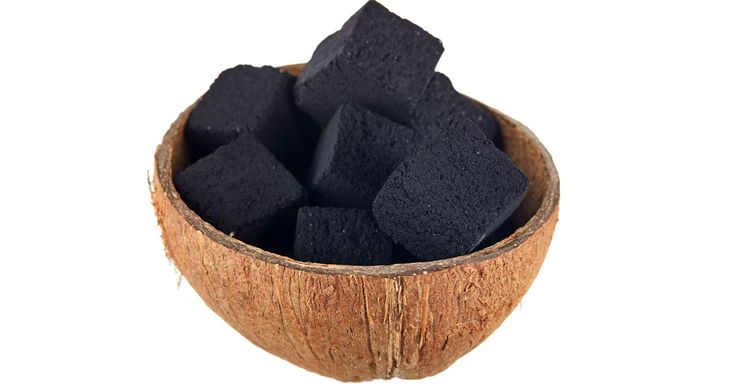
Charcoal derived from coconut is gaining global attention as an alternative fuel from coconut waste that supports sustainable energy practices. This fuel is produced by converting discarded coconut shells into high-quality charcoal, reducing agricultural waste while delivering reliable energy output.
As demand for renewable resources increases, charcoal derived from coconut stands out due to its efficiency, low emissions, and versatility. Many industries now consider it a practical solution to replace traditional fossil-based fuels without compromising performance.
Charcoal Derived from Coconut and Waste Utilization
Charcoal derived from coconut plays a vital role in transforming coconut waste into valuable energy. Instead of being discarded or burned openly, coconut shells are processed into charcoal with significant economic and environmental benefits.
Reducing Agricultural Waste
The conversion process helps manage waste efficiently by:
-
Minimizing landfill accumulation from coconut shells
-
Lowering environmental pollution caused by open burning
This approach supports circular economy principles by turning waste into a useful energy resource.
Supporting Sustainable Energy Systems
Charcoal derived from coconut contributes to sustainability through:
-
Renewable raw material availability
-
Lower carbon footprint compared to coal-based fuels
These characteristics make it suitable for long-term energy planning.
Energy Performance of Charcoal Derived from Coconut
One major reason charcoal derived from coconut is widely adopted is its impressive energy performance. It delivers stable heat output and burns more efficiently than many conventional biomass fuels.
High Heat Output and Stability
Charcoal derived from coconut provides:
-
Consistent combustion temperature
-
Longer burning duration
This stability is essential for industrial heating, cooking, and small-scale manufacturing.
Low Ash and Clean Burning
Compared to wood charcoal, this fuel produces:
-
Minimal ash residue
-
Reduced smoke and odor
Such features improve usability and reduce maintenance costs during operation.
Applications of Charcoal Derived from Coconut
Charcoal derived from coconut is used across multiple sectors due to its adaptable nature and dependable performance.
Household and Commercial Use
Common applications include:
-
Cooking and grilling
-
Space heating in eco-friendly systems
Its clean-burning properties make it suitable for indoor and outdoor use.
Industrial and Export Markets
In industrial settings, charcoal derived from coconut is applied for:
-
Metal processing and drying systems
-
Shisha and specialty fuel markets
Products like coconut shell charcoal briquette are especially popular for export due to uniform quality standards. For additional insights and related resources, you can visit jacoid.com.
Economic Value of Charcoal Derived from Coconut
Beyond environmental benefits, charcoal derived from coconut creates strong economic opportunities for producing regions.
Income Generation for Local Communities
Production activities help:
-
Create jobs in rural areas
-
Increase income from agricultural byproducts
This supports local economies while promoting sustainable practices.
Cost Efficiency for Energy Users
Charcoal derived from coconut offers:
-
Competitive pricing compared to fossil fuels
-
Lower long-term operational costs
These advantages make it appealing for both small businesses and large industries.
Future Potential of Charcoal Derived from Coconut Energy
Charcoal derived from coconut continues to gain relevance as global energy strategies shift toward renewable alternatives, positioning it as an alternative fuel from coconut waste. Research and technological improvements are enhancing production efficiency and fuel quality.
As more industries adopt cleaner energy sources, charcoal derived from coconut is expected to play a larger role in reducing dependence on non-renewable fuels. Its combination of sustainability, performance, and economic value positions it as a key component of future alternative energy solutions.
