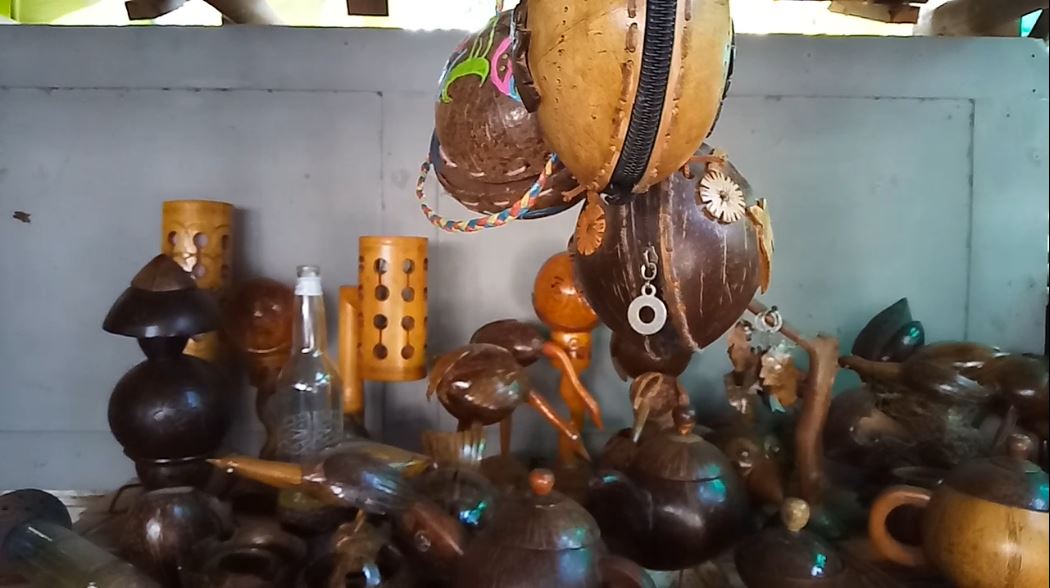
1. The Rise of Coconut Shell Crafts:
Coconut shell crafts have a rich history rooted in traditional craftsmanship and cultural practices across tropical regions where coconuts are abundant. Historically, coconut shells were utilized for practical purposes such as utensils, containers, and building materials due to their durability and abundance.
Over time, artisans began to explore the artistic potential of coconut shells, transforming them into intricate and aesthetically appealing handicrafts that reflect local traditions and craftsmanship.
2. Market Opportunities:
The market for coconut shell crafts is experiencing steady growth, driven by several factors:
a. Growing Demand for Sustainable Products: In an era marked by increasing environmental awareness and concerns about plastic pollution and waste management, consumers are seeking eco-friendly alternatives that minimize environmental impact. Coconut shell crafts offer sustainable solutions, utilizing natural, biodegradable materials that are sourced from renewable resources.
b. Rising Interest in Handcrafted Goods: There is a growing appreciation for handmade and artisanal products characterized by authenticity, craftsmanship, and cultural significance. Coconut shell crafts embody these qualities, showcasing the skills and creativity of artisans while preserving traditional craft techniques and cultural heritage.
c. Diverse Applications and Versatility: Coconut shells can be fashioned into a wide range of products, including home decor items, jewelry, tableware, fashion accessories, and novelty items. Their versatility allows artisans to explore various design possibilities and cater to diverse consumer preferences and market segments.
d. Tourism and Souvenir Market: Coconut shell crafts are popular souvenirs among tourists seeking authentic mementos that reflect the local culture and natural surroundings of their destinations. Artisanal workshops and craft markets offer opportunities for artisans to showcase their creations and tap into the lucrative tourism market.
e. Online Retail Platforms: The proliferation of e-commerce platforms and online marketplaces has democratized access to global markets, enabling artisans to reach a wider audience beyond their local communities. Online retail channels provide a platform for artisans to showcase their products, connect with customers, and expand their market reach.
3. Challenges and Considerations:
Despite the promising opportunities, coconut shell craft artisans face several challenges:
a. Access to Raw Materials: Access to high-quality coconut shells can be challenging, particularly in regions where coconut processing industries are centralized or where environmental regulations restrict the harvesting and disposal of coconut waste.
b. Skill Development and Training: Enhancing artisan skills, promoting innovation, and adapting traditional craft techniques to contemporary design trends require ongoing training and capacity-building initiatives. Investment in artisanal education and skill development programs can empower artisans to enhance their craft techniques and competitiveness in the market.
c. Market Access and Distribution: Establishing market linkages, securing sales channels, and navigating logistical challenges associated with transportation and distribution can pose barriers to market entry for coconut shell craft artisans, particularly small-scale producers and rural communities.
d. Quality Control and Standardization: Ensuring product quality, consistency, and compliance with international standards and regulations is essential to build consumer trust, foster market confidence, and mitigate reputational risks associated with substandard products.
4. Future Outlook:
The future of the coconut shell craft market is promising, driven by growing consumer demand for sustainable, handmade products with unique cultural and aesthetic appeal.
As awareness of environmental sustainability and ethical consumerism continues to rise, coconut shell crafts are well-positioned to capture a share of the global handicraft market and contribute to the socio-economic development of coconut-producing regions.
To capitalize on market opportunities and address challenges, stakeholders must collaborate to:
a. Foster innovation and creativity in coconut shell craft design and production.
b. Promote sustainable sourcing practices and environmental stewardship.
c. Strengthen market linkages and access to export markets through strategic partnerships and trade promotion initiatives.
d. Enhance artisan skills and entrepreneurship training to improve product quality, market competitiveness, and income generation opportunities.
Conclusion:
In conclusion, coconut shell crafts represent a convergence of tradition, innovation, and sustainability, offering artisans and entrepreneurs a platform to showcase their creativity, preserve cultural heritage, and promote environmental conservation.
By harnessing the inherent beauty and versatility of coconut shells, artisans can create distinctive, eco-friendly products that resonate with consumers seeking authentic, ethically sourced alternatives.
As the market for coconut shell crafts continues to evolve, it is imperative to support artisan communities, foster sustainable supply chains, and celebrate the unique cultural legacy embodied in each handcrafted creation.
Through collective action and appreciation for craftsmanship, coconut shell crafts have the potential to inspire positive social change, empower artisan communities, and enrich lives around the world.