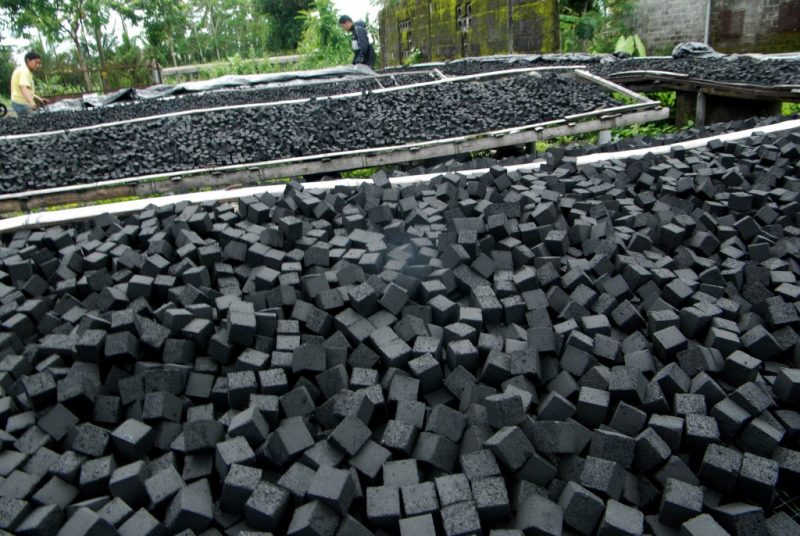
In the quest for sustainable energy solutions, briquettes have emerged as a viable alternative to traditional fuels. They are compact, eco-friendly, and cost-effective. If you’re wondering how to make briquettes, this guide will walk you through the entire process, from gathering materials to producing high-quality briquettes. Whether for personal use or business, mastering this process can help reduce waste and contribute to environmental conservation.
What Are Briquettes?
Briquettes are blocks of compressed biomass materials such as charcoal dust, sawdust, wood chips, or agricultural waste. These blocks serve as fuel for cooking, heating, or industrial purposes. Compared to direct burning, briquettes are more efficient due to their higher calorific value and slower combustion rate.
Why Make Briquettes?
-
Environmental Benefits: Reduces waste and minimizes deforestation.
-
Cost Savings: Provides an affordable alternative to conventional fuels.
-
Efficiency: Burns longer and cleaner than raw biomass.
-
Versatility: Can be used for domestic cooking, heating, or industrial energy needs.
Materials Needed
To make briquettes, you’ll need:
-
Heat Fuel: Charcoal dust, sawdust, wood chips, or other biomass.
-
Binders: Starch (e.g., cassava flour), molasses, or clay.
-
Accelerants (optional): Sodium nitrate or waxes for improved combustion.
-
Water: To mix the ingredients.
-
Equipment: A briquette press machine or molds.
Step-by-Step Guide on How to Make Briquettes
Step 1: Prepare the Materials
-
Collect your primary material (e.g., charcoal dust or sawdust).
-
Ensure the material is dry and free from large particles by sieving it.
-
If using biomass like sawdust, carbonize it first by burning it in a controlled environment to remove moisture and volatile compounds.
Step 2: Mix the Ingredients
-
Combine the main material with a binder in a mixing container.
-
For example:
-
Recipe 1: 10 kg charcoal dust + 0.3 kg cassava starch + water.
-
Recipe 2: 40 kg charcoal dust + 4 kg sawdust + 2.5 kg starch.
-
-
Gradually add water while mixing until you achieve a thick paste-like consistency.
Step 3: Molding
-
Place the mixture into molds or feed it into a briquette press machine.
-
Compress the material tightly to form solid blocks. This step ensures the briquettes are dense and durable.
Step 4: Drying
-
Remove the molded briquettes from the press and lay them out in a sunny area for drying.
-
Ensure they are evenly spaced to allow proper airflow.
-
Drying can take several days depending on weather conditions. For faster results, consider kiln drying.
Step 5: Storage
-
Once fully dried (moisture content below 10%), store the briquettes in a cool, dry place to prevent reabsorption of moisture.
Tips for Success
-
Use high-quality binders like cassava starch for stronger briquettes.
-
Avoid over-wetting the mixture; excess water weakens the final product.
-
Experiment with different recipes to find the best combination for your needs.
Common Challenges and Solutions
-
Briquettes Crumbling:
-
Cause: Insufficient binder or poor compression.
-
Solution: Increase binder ratio and ensure proper pressing force.
-
-
Slow Drying:
-
Cause: High humidity or inadequate drying space.
-
Solution: Use artificial drying methods like kilns if possible.
-
-
Uneven Combustion:
-
Cause: Poor mixing of ingredients.
-
Solution: Mix thoroughly to ensure uniformity.
-
Applications of Briquettes
Briquettes are versatile and can be used in:
-
Domestic stoves for cooking.
-
Industrial boilers for heating.
-
Power plants as an alternative energy source.
Advantages of Using Briquettes
-
Eco-friendly energy solution that reduces waste and carbon emissions.
-
Cost-effective compared to fossil fuels like coal or gas.
-
Compact size makes them easy to store and transport.
Conclusion
Learning how to make is not only practical but also impactful in addressing energy challenges while promoting sustainability. By following this step-by-step guide, you can produce high-quality that are efficient, cost-effective, and environmentally friendly. Whether you’re looking to reduce household energy costs or start a small business, briquette-making offers immense potential